No, a generator should not be exposed to water. Even generators designed for outdoor use are not meant to be exposed directly to rain or standing water. When water comes into contact with electrical components, it increases the risk of electric shock, equipment damage, and generator failure.
Key Takeaways
- Generators should never be exposed directly to rain or standing water.
- Water and electricity together increase the risk of shock and equipment damage.
- Proper placement and approved covers help reduce weather-related risks.
- Professional installation improves safety and long-term reliability.
Generators are often used during storms and power outages, leading many homeowners to wonder whether operating one in the rain is safe. Understanding how rain affects generators and the precautions required is critical to protecting your home, equipment, and safety. This guide explains the risks, safe usage tips, and when to contact a professional electrician.
Can a Generator Get Wet
Short Answer and Safety Risk
No generator should be allowed to get wet. Water can create serious electrical hazards when it comes into contact with live components.
Even light rain can increase the risk of shock or damage if the generator is not protected.
What Happens If a Generator Gets Wet
If water enters a generator, it can cause short circuits or internal damage. This may result in a power failure or unsafe operation.
Wet generators also increase the chance of electric shock to anyone nearby.
Using a Generator in the Rain
Why Running a Generator in the Rain Is Unsafe
Running a generator in the rain without proper protection is dangerous, and a transfer switch is essential for proper operation.
This can cause shock hazards, equipment damage, or fire risk.
Safe Alternatives for Wet Weather
Generators should be placed in dry, well-ventilated areas. Approved generator covers or tents can help protect against rain while allowing airflow.
Never operate a generator directly in open rain.
How to Protect a Generator From Rain
Generator Covers and Tents
Use only covers designed for generators. These products allow ventilation while shielding the unit from rain.
Improvised covers, such as tarps, can trap heat and moisture, increasing the risk.
Proper Generator Placement
Place generators on level ground away from puddles or runoff. Keep them several feet away from buildings, doors, and windows.
This reduces moisture exposure and improves ventilation.
Elevation and Drainage
Elevating the generator slightly can help prevent water from pooling underneath. Good drainage around the area also helps keep the unit dry.
Portable vs Standby Generators in Wet Conditions
Portable Generator Safety
Portable generators are more exposed to the weather. They require extra care during rain and should always be protected.
They should never be used in wet or flooded areas.
Standby Generator Weather Ratings
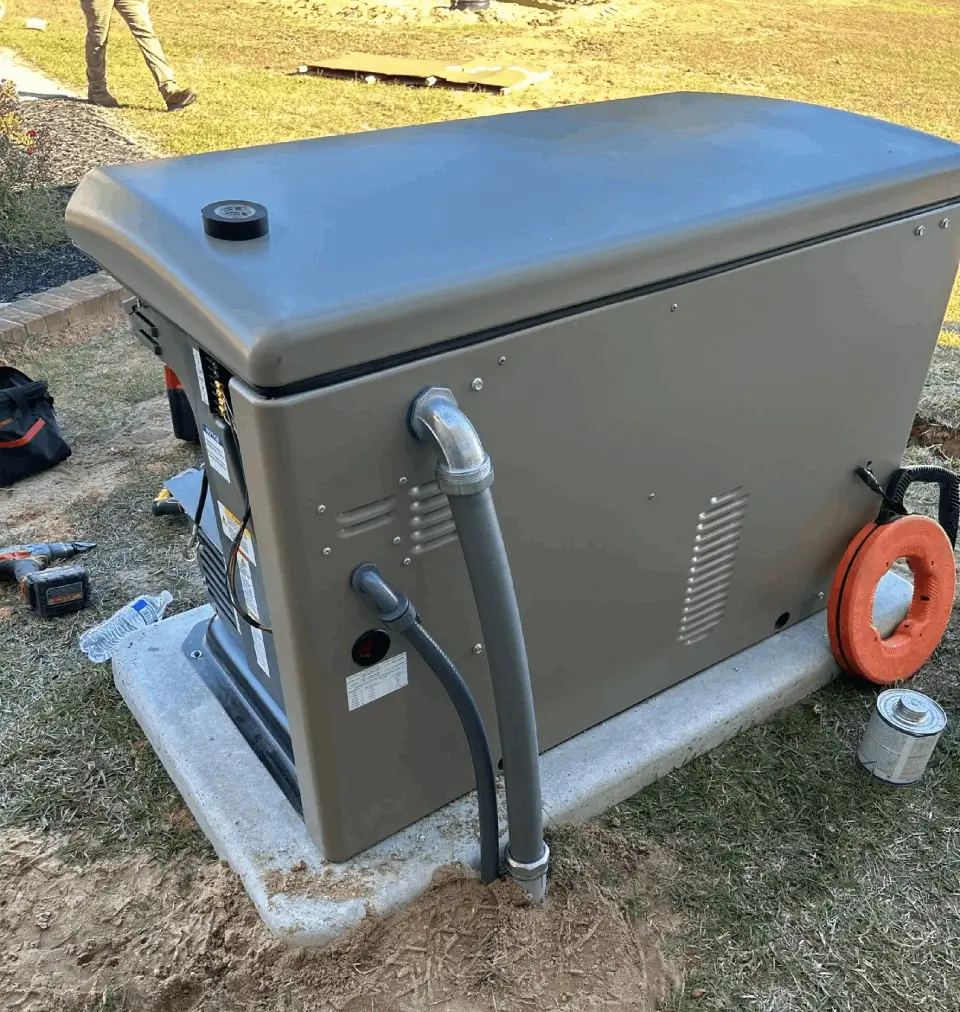
Standby generators are designed for outdoor use and usually have weather-resistant enclosures. Even so, they should not be submerged or exposed to flooding.
Proper installation helps ensure safe operation during storms.
Common Generator Safety Mistakes
Using Improvised Covers
Using plastic sheets or tarps is unsafe. These materials can trap heat and block airflow.
This increases the risk of overheating and fire.
Operating Near Doors or Windows
Generators should never be run near openings. Moisture and exhaust fumes can enter the building.
This creates both electrical and health hazards.
When to Call a Professional Electrician
Signs of Water Damage
Rust, corrosion, or frequent breaker trips can signal water damage. Unusual sounds or power loss are also warning signs.
If you notice these issues, stop using the generator.
Benefits of Professional Installation
A licensed electrician from our electrical services team ensures generators are installed correctly and safely. Proper setup reduces weather-related risks and complies with electrical codes.
Professional guidance helps protect both people and equipment.
Generator Safety Comes First
Generators are helpful during outages, but safety must always come first. Keeping generators dry and properly protected reduces the risk of injury and equipment failure.
If you need help installing, inspecting, or protecting a generator for safe use in all weather conditions, contact AW Electric for reliable residential and commercial electrical solutions.
FAQ Section
Can a Generator Get Wet
No, generators should not be exposed to water. Water exposure increases the risk of shock and damage.
Is It Safe to Run a Generator in the Rain
It is not safe to run a generator directly in the rain. Proper covers and placement are required to reduce risk.
What Happens If a Generator Gets Wet
Water can cause short circuits and equipment failure. It can also create serious electrical hazards.
How Can I Protect My Generator From Rain
Use an approved generator cover and place the unit on dry, level ground. Keep it away from standing water.
Are Generator Covers Safe to Use
Only covers designed for generators are safe. Tarps and plastic sheets should not be used.