Key Takeaways
- A transfer switch is the safest and most reliable way to connect a generator to your home.
- An interlock kit is the best alternative if you need to connect without a transfer switch.
- Never plug a generator into a standard outlet. This can cause fires or serious injury.
- Use only heavy-duty cords and avoid overloading your generator.
- When unsure, always let a licensed electrician handle the installation.
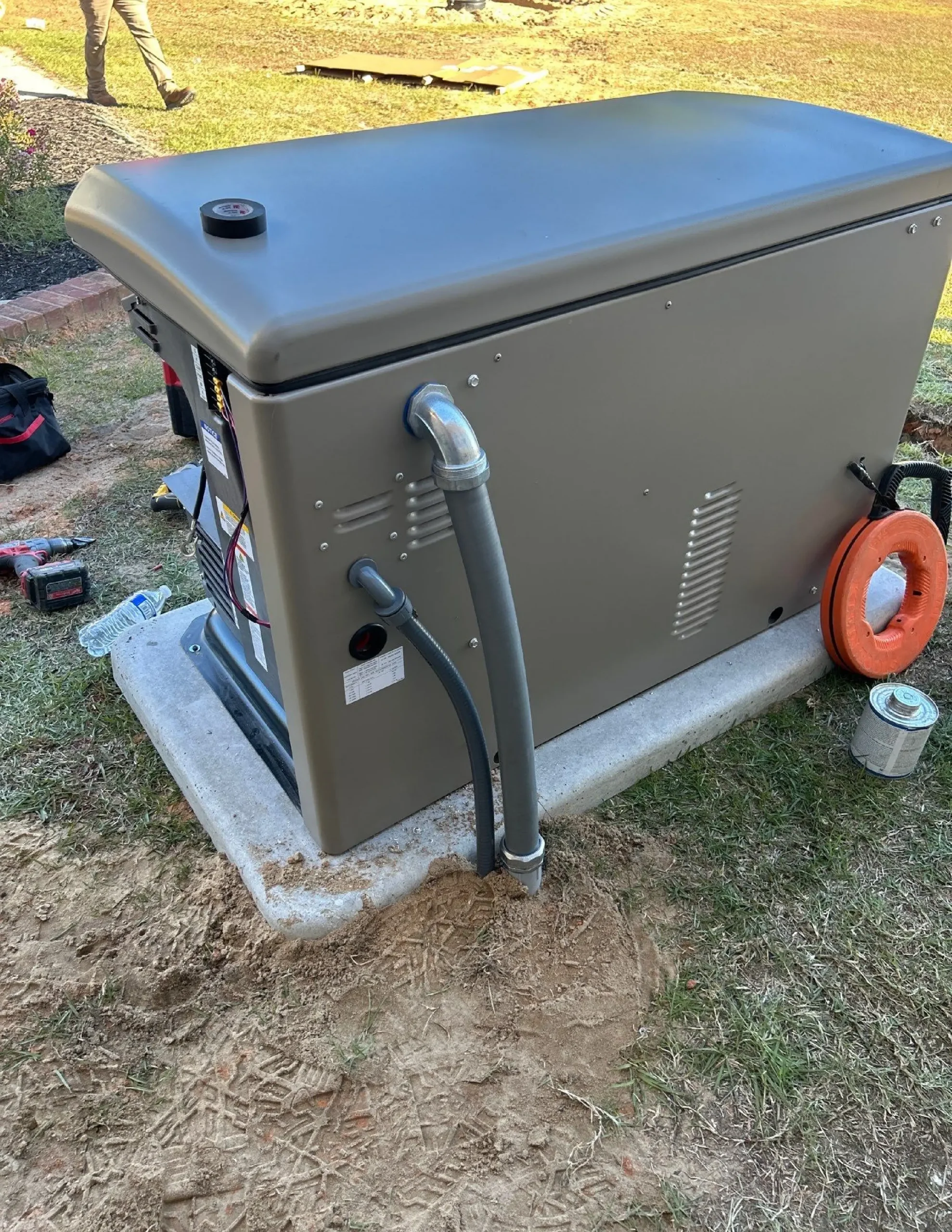
When a storm hits or the power shuts off without warning, having a generator can keep your home running. Many homeowners use reputable brands like the Kohler generator for reliable backup power. But many homeowners are unsure how to connect a generator safely without a transfer switch.
While a transfer switch is always the best and safest option, there are safe ways to connect a generator without one as long as you follow the right steps and understand the risks.
This guide explains why a transfer switch is typically recommended, the safe alternatives you can use, and a transparent, step-by-step process to help you power your home during an outage. Safety comes first, so follow each step with care, review electrical safety tips for homeowners, and never use shortcuts when working with electricity..
Why a Transfer Switch Is Recommended
A transfer switch is a device that changes your home from utility power to generator power. It prevents both power sources from running simultaneously. Without this protection, power can travel backward into the utility lines, known as backfeeding. Backfeeding is dangerous and may harm utility workers, damage your home system, or overload your generator.
A transfer switch also helps your generator run more smoothly by powering only the circuits you select. Even though this guide explains how to connect a generator without one, a transfer switch is always the best long-term solution, especially for whole-home units like a Kohler generator.
Safe Methods to Connect a Generator Without a Transfer Switch
Here are the safe options homeowners use when no transfer switch is installed:
1. Use an Interlock Kit and Generator Inlet Box
An interlock kit is a plate that attaches to your breaker panel and may require an electrical panel upgrade, depending on your setup. It prevents the main breaker and generator breaker from being on at the same time. This blocks backfeeding and allows safe use of your generator through a single inlet box placed outside your home. This is the closest alternative to a transfer switch and is permitted in many areas if installed correctly.
2. Use a Weatherproof Outside Outlet Box
Some homeowners install a heavy-duty outdoor outlet that connects to a dedicated circuit. This allows only a small amount of power to flow inside the home. It is not meant for whole-home use but can support one or two essential items.
3. Use Extension Cords for Essential Appliances
This is the simplest method. You connect appliances directly to the generator using outdoor-rated extension cords. This does not power your home’s circuits but can keep your fridge, lights, or small devices running until the power returns.
Step-by-Step Guide: Using an Interlock Kit (Safest Method)
If you want to power your panel safely without a transfer switch, an interlock kit is the best option. Make sure the kit you buy fits your exact breaker panel model.
1. Turn Off the Main Breaker
Before doing any work, turn off the main breaker and all branch breakers. This blocks incoming power and lowers risk.
2. Install the Interlock Kit
Follow the instructions in the kit. The plate mounts onto your breaker panel cover and slides into place so only one power source is active at a time. If you are unsure, hire a licensed electrician to install it.
3. Install the Generator Inlet Box
Mount the inlet box outside your home in a dry, easy-to-reach spot. Run approved wiring from the inlet box to a dedicated generator breaker inside the panel. The wiring must be sized correctly for the generator’s output.
4. Connect the Generator Cord
Use a heavy-duty generator cord rated for the wattage of your unit. Plug one end into the generator and the other into the inlet box.
5. Power the Home During an Outage
When the power goes out:
- Turn off the main breaker.
- Slide the interlock into “generator” position.
- Start the generator.
- Switch on only the circuits you need, such as lights, fridge or outlets.
Do not overload the generator; check its wattage limits and use a guide on how many kW a generator is to run a house before turning on additional circuits.
6. Switch Back When Power Returns
Once utility power is restored:
- Turn off the generator.
- Slide the interlock back to “main breaker.”
- Turn the main breaker on.
- Turn on circuits one at a time.
Safety Tips and Best Practices
Always follow these safety basics when connecting a generator without a transfer switch:
- Never plug a generator into a wall outlet. This is called backfeeding and is extremely dangerous.
- Keep your generator outside at least 20 feet away from windows, doors, and vents.
- Use generator-rated cords with thick insulation and weather protection.
- Ground your generator if the manufacturer instructs you to do so and review best practices for grounding your electrical system.
- Do not exceed the generator’s wattage. Running too many items at once can trip the system or cause overheating.
- Store fuel in approved containers and never refuel while the generator is running.
- If you feel unsure at any point, call a licensed electrician. Working with electricity carries real risk.
When You Should Still Use a Transfer Switch
Even though an interlock kit or extension cords may work in some cases, a transfer switch is still the best option when:
- You face frequent outages
- You want to power many circuits at once
- Your local building codes require a transfer switch
- You want a more straightforward process during emergencies
- You plan to install a standby generator in the future
A transfer switch offers the safest and most reliable setup. It protects your home, your generator, and the workers restoring power. This is especially important for larger standby units like a Kohler generator, which are designed for whole-home backup.
Stay Safe With the Right Generator Connection
Connecting a generator without a transfer switch takes caution, planning, and the right equipment. An interlock kit is the safest option and can provide steady power when the grid goes down. But for the safest, most code-compliant setup, a transfer switch remains the best long-term choice.
Need a safe generator hookup.
A W Electric installs generator inlets, interlock kits, and complete transfer switch systems for homeowners who want dependable backup power with professional generator installation. Contact us today for a quote and expert service.
FAQ
What Is a Generator Interlock Kit and How Does It Work?
A generator interlock kit is a metal plate that keeps your main breaker and generator breaker from being on at the same time. This prevents backfeeding and allows you to use your generator safely during an outage.
Can I Plug My Generator Into a Wall Outlet During a Blackout?
No. Plugging a generator into a wall outlet is unsafe and can push power back into the electrical grid. This may harm workers or damage your home.
Is It Legal to Run a Generator Without a Transfer Switch?
Some areas allow the use of an interlock kit instead of a transfer switch. Others do not. Always check your local code to make sure your setup is allowed.
What Safety Steps Should I Follow When Connecting a Generator Without a Transfer Switch?
Turn off the main breaker, use proper cords, keep the generator outside, and only power essential items. Never skip safety steps when dealing with electricity.
When Is a Transfer Switch a Better Option?
A transfer switch is better when you want a full-home setup, easy switching, safer operation, and long-term reliability.