A generator gives you peace of mind when the power goes out. But getting one installed is only the first step. Many homeowners in Evans discover that problems can show up days, weeks, or even months after installation. Knowing what to watch for can save you time and protect your investment.
Key Takeaways
- The most common generator problem after installation is a faulty or improperly wired transfer switch.
- Low or stale fuel is a leading cause of generator failure during outages.
- Battery issues prevent many generators from starting when needed most.
- Poor ventilation can cause overheating and automatic shutdowns.
- Skipping regular maintenance leads to most post-installation failures.
- A licensed electrician should handle all wiring and transfer switch work.
Transfer Switch Problems Are the Number One Issue
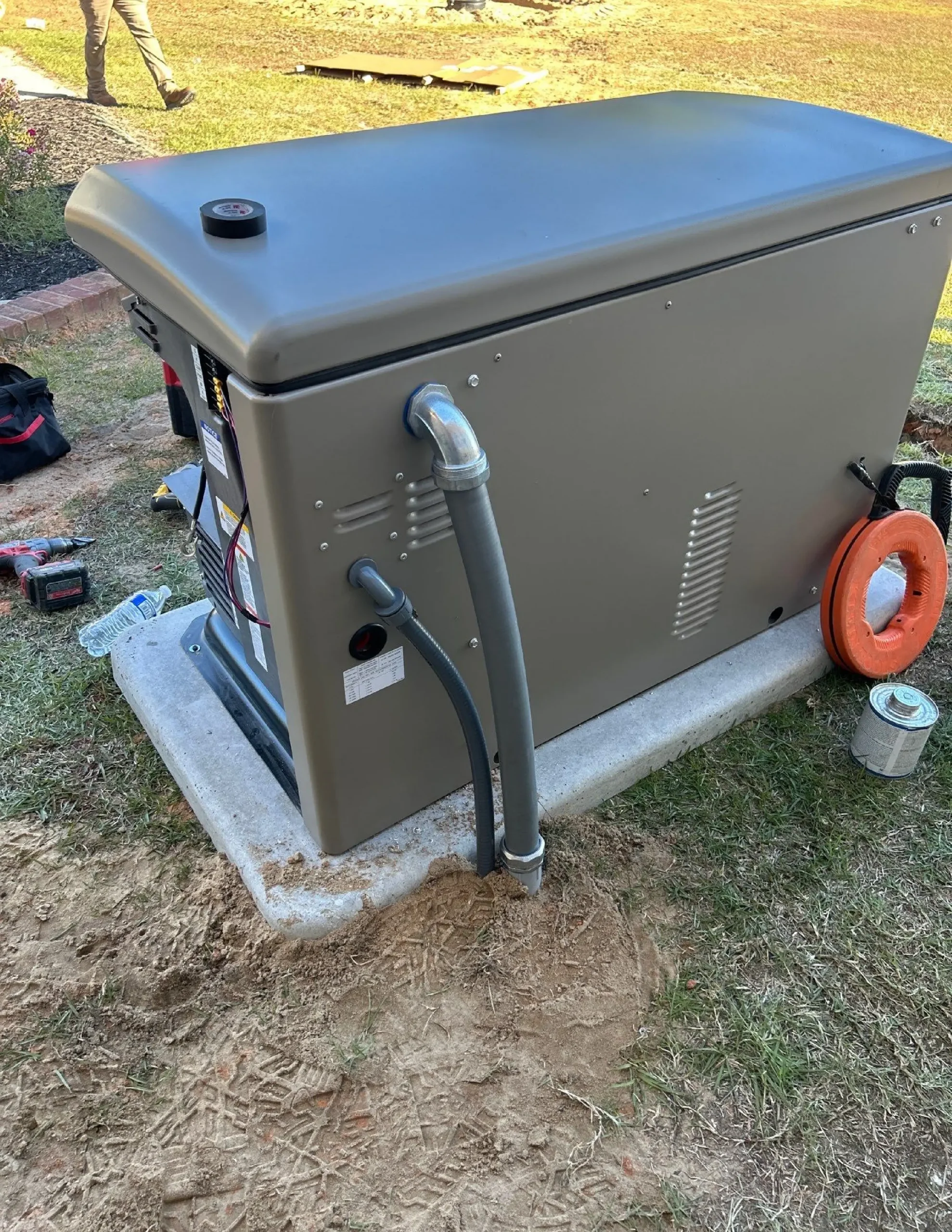
The transfer switch is the component that connects your generator to your home’s electrical panel. When it fails or is wired incorrectly, your generator may run, but your home still gets no power. This is the most common complaint after a new generator install.
Transfer switch problems are almost always an electrical issue, not a generator issue. This is why the quality of the installation matters so much. A mistake in the wiring can leave you without power right when you need it.
Signs Your Transfer Switch Has a Problem
Your generator starts and runs, but nothing in your home turns on. Breakers trip immediately when you switch to generator power. You notice burning smells near the electrical panel. These are all signs that the transfer switch needs attention.
Do not try to troubleshoot the transfer switch yourself. It involves live electrical connections that can cause serious injury. Call a licensed electrician right away. AW Electric handles transfer switch inspections and repairs for homeowners across the Evans area.
Fuel and Battery Problems That Kill Generator Performance
Even a properly installed generator can fail if the fuel system is not maintained. Gasoline can go stale in as little as 30 days. Stale fuel clogs carburetors and prevents the engine from starting. Many homeowners find this out the hard way during their first real outage.
Propane and natural gas generators do not have stale fuel problems, but they can still have fuel line issues. Always confirm your fuel supply is active and your connections are secure before an outage season hits.
Battery Failures During Startup
Standby generators use a battery to start automatically. If that battery loses charge or corrodes, the generator will not start. Battery issues are one of the top reasons generators fail during power outages.
Test your generator battery every six months. Replace it every two to three years, even if it seems fine. A dead battery is a cheap fix compared to going without power during a storm. If you are unsure how to check it, AW Electric can walk through the full system with you.
Overheating, Overloading, and Ventilation Failures
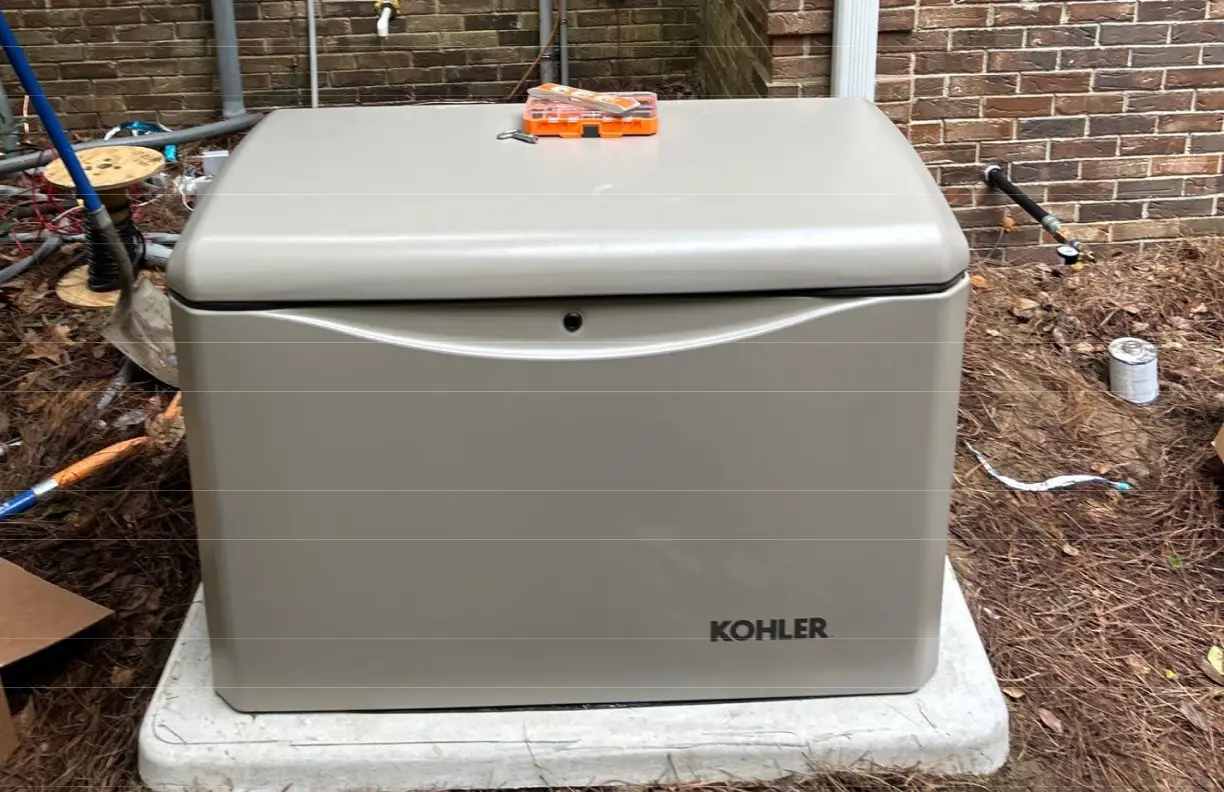
Generators produce a lot of heat. They need proper airflow to keep running. If your generator was installed too close to a wall, fence, or other structure, it may overheat and shut itself down. The National Electrical Code requires specific clearance distances for a reason.
Overloading is another major issue. Many homeowners plug in more appliances than the generator can handle. This trips the generator’s breaker or causes it to shut down. Know your generator’s wattage rating and stay within it.
What Overloading Does to Your System Over Time
Repeated overloading stresses the generator’s engine and electrical components. Over time, this shortens the lifespan of the unit significantly. It can also cause common electrical problems in your home’s wiring if the generator pushes irregular voltage through the system.
Calculate your load before you rely on your generator during an outage. Add up the wattage of everything you plan to run. If that number is close to or over the generator’s rated output, you are overloading it.
Frequently Asked Questions
How often should I run my generator after installation?
You should run your generator at least once a month for 20 to 30 minutes under a load. This keeps the battery charged, circulates the oil, and helps you catch problems before an outage occurs. Standby generators often do this automatically through a self-test cycle.
Can a generator damage my home’s electrical system?
Yes, it can if the transfer switch is not installed correctly. A generator connected without a proper transfer switch can back-feed power into the utility lines. This is dangerous for utility workers and can damage your appliances. Always use a licensed electrician for the installation.
Why does my generator keep shutting off?
The most common reasons are low oil pressure, overheating, an overloaded circuit, or a clogged air filter. Check the oil level first. Then check the air filter. If neither of those is the issue, you likely have an electrical or mechanical problem that needs a professional to diagnose.
What maintenance does a generator need after installation?
Change the oil every 50 to 100 hours of use or once a year, whichever comes first. Replace the air filter annually. Test the battery every six months. Run the unit monthly under load. Have a licensed electrician inspect the transfer switch and wiring once a year.
Is it normal for a new generator to have problems right away?
Minor issues can appear in the first few weeks. Break-in periods are normal for the engine. However, electrical issues like a generator that runs but does not power your home are not normal. Those should be addressed immediately by a qualified electrician.
Keep Your Generator Ready With Help From AW Electric
Generator problems after installation are common, but most of them are preventable. Regular maintenance, proper wiring, and a correctly sized load go a long way toward keeping your system reliable. The transfer switch, battery, and fuel system are the three things that cause the most failures, and all three are easy to manage with the right routine.
If your generator is giving you trouble in Evans, AW Electric is ready to help. The team at AW Electric handles generator wiring, transfer switch work, and electrical inspections for homeowners across the Evans area. Reach out today to schedule a service call and make sure your backup power is ready when you need it most.