When power outages hit Augusta, many homeowners search for how to connect a generator to their house. The goal is not just to keep a few lights on, but to protect your home, comfort, and daily routines during storms and extended outages.
The safest and most reliable way to connect a generator to your house is through a professionally installed whole-home standby generator system. Unlike temporary setups, whole-home systems are designed to power your home automatically, meet electrical codes, and operate safely during severe weather.
This guide explains how generators are connected to homes, why professional installation matters, what safety rules apply, and what homeowners in Augusta should expect when planning a whole-home generator installation.
Key Takeaways
- Connecting a generator to a house requires a transfer switch
- Whole-home standby generators provide automatic, hands-off power
- DIY generator connections can be unsafe and violate electrical codes
- Professional installation ensures safety and long-term reliability
- Whole-home systems offer better protection during storms and outages
What It Means to Connect a Generator to Your House
Connecting a generator to your house means safely linking it to your electrical system so power flows through your breaker panel during an outage.
This allows:
- Selected circuits or the entire home to receive power
- Safe separation from the utility grid
- Normal use of outlets, lights, and appliances
A proper connection does not rely on extension cords or temporary wiring. It requires permanent electrical equipment installed by a licensed electrician.
Why Whole-Home Standby Generators Are the Preferred Solution
Whole-home standby generators are built for long-term use and automatic operation.
Automatic Power Restoration
When utility power fails, the system detects the outage and automatically restores power. There is no need to go outside, start the equipment, or switch breakers manually.
Permanent Outdoor Installation
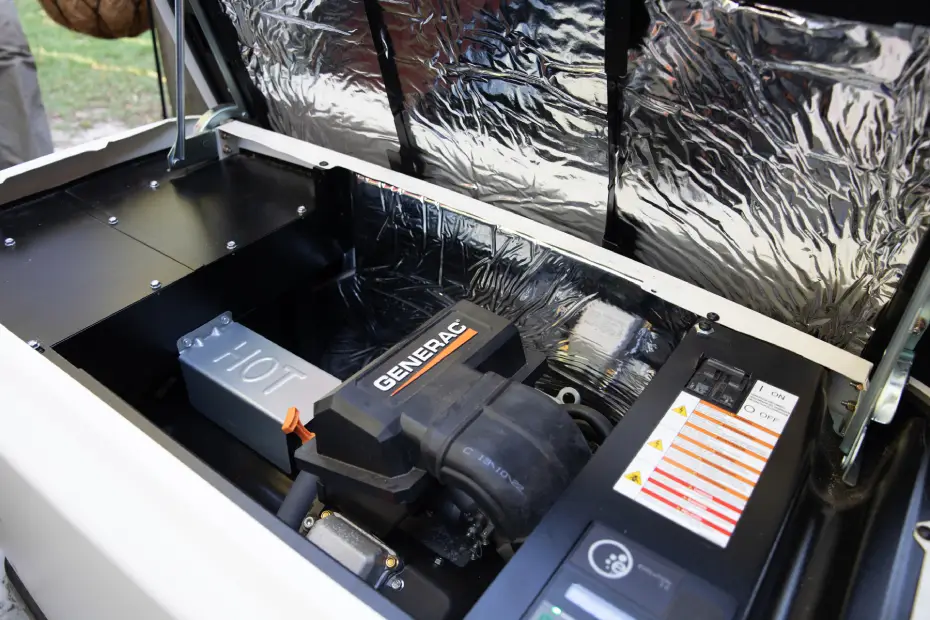
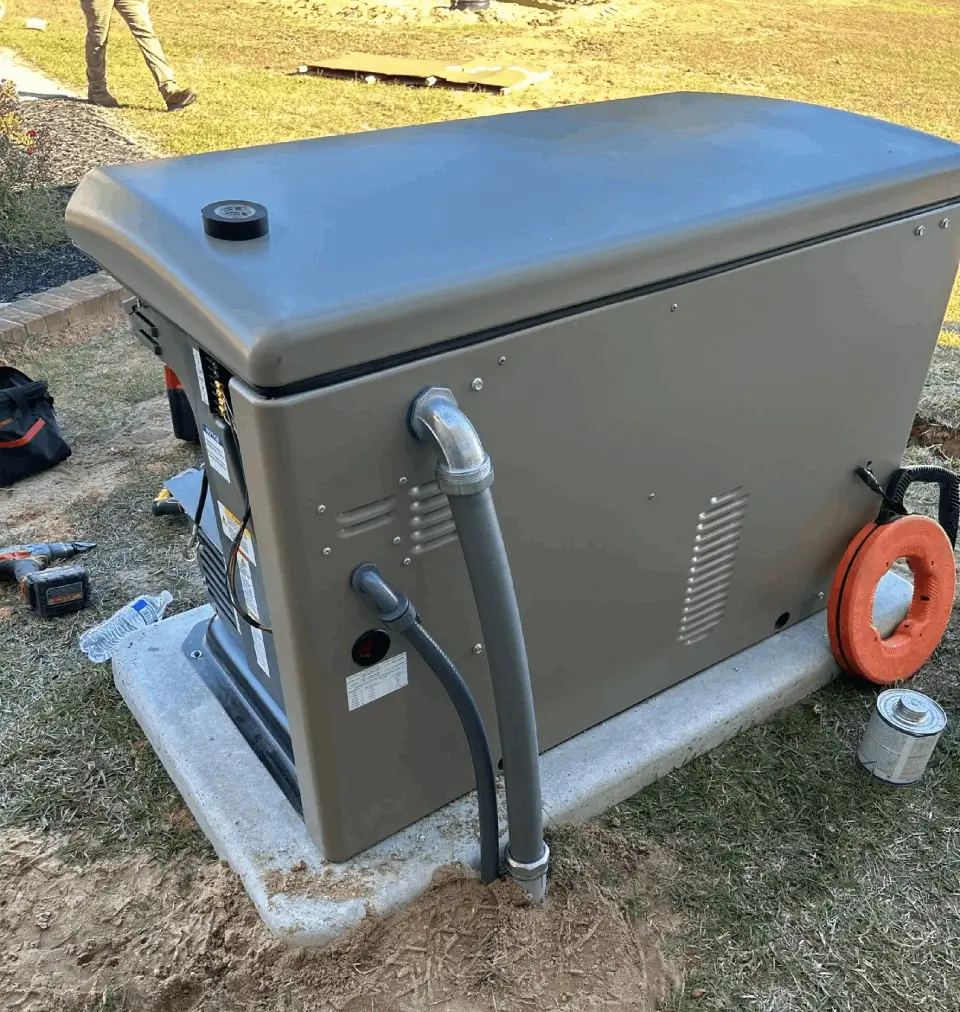
Standby generators are installed on a concrete or composite base outside the home. They are enclosed in weather-resistant housing and placed to meet clearance and safety requirements.
Power for the Entire Home
Unlike temporary solutions, whole-home generators can support heating and cooling systems, refrigerators, lighting, medical equipment, and more.
The Role of a Transfer Switch
A transfer switch is required to safely connect a generator to your house.
It prevents:
- Backfeeding electricity into utility lines
- Damage to your electrical panel
- Safety risks to utility workers
Automatic Transfer Switch
Whole-home standby generators use automatic transfer switches. These devices manage the flow of power without homeowner involvement and restore utility power once it returns.
How a Generator Is Professionally Connected to a House
Professional installation follows a structured process to ensure safety and compliance.
Electrical Evaluation
An electrician reviews your electrical panel, home size, and power needs. This helps determine proper generator size and placement.
Generator Sizing and Planning
Load calculations ensure the generator can support your home without overload or performance issues.
Installation and Wiring
The generator, transfer switch, and electrical connections are installed in accordance with local codes and manufacturer guidelines.
Testing and Inspection
The system is tested under load and inspected to confirm proper operation before being placed into service.
Safety Rules Homeowners Must Follow
Generator safety is critical and regulated.
Key safety rules include:
- Never connect a generator directly to a breaker panel
- Never backfeed through outlets
- Keep generators away from doors and windows
- Follow the Augusta and Georgia electrical codes
- Use licensed electricians for installation
Improper connections can cause electrical shock, fires, and carbon monoxide exposure.
Cost Factors for Whole-Home Generator Installation in Augusta
The cost to connect a generator to your house depends on several factors.
Common factors include:
- Generator size and capacity
- Automatic transfer switch
- Electrical panel upgrades
- Permits and inspections
- Labor complexity
Whole-home standby generators represent a long-term investment that prioritizes safety, reliability, and convenience.
Why Professional Installation Matters
Installing a generator is not a simple home project.
Licensed electricians provide:
- Code-compliant installation
- Proper permits and inspections
- Accurate load calculations
- Safe system integration
Professional installation also helps protect equipment warranties and reduces future electrical risks.
Common Mistakes to Avoid
Homeowners often run into trouble by:
- Attempting DIY generator hookups
- Skipping transfer switches
- Using extension cords as a permanent solution
- Installing equipment without permits
- Ignoring maintenance needs
Avoiding these mistakes protects both your home and your investment.
Maintenance and Long-Term Reliability
Whole-home generators require routine maintenance to stay reliable.
Maintenance typically includes:
- System testing
- Battery checks
- Transfer switch inspection
- Fuel system review
Ongoing maintenance ensures your generator works when outages occur.
Conclusion
Understanding how to connect a generator to your house starts with safety, planning, and professional installation. Whole-home standby generators offer the most dependable solution for homeowners in Augusta who want automatic power, code compliance, and long-term peace of mind.
If you are planning a whole-home generator installation in Augusta, contact A W Electric LLC. Our licensed electricians provide safe, code-compliant generator installation designed for long-term reliability.
Frequently Asked Questions
How do you connect a generator to your house safely?
A generator must be connected using an automatic transfer switch installed by a licensed electrician.
Can I connect a generator to my house without a transfer switch?
No. This is unsafe and may violate electrical codes.
Are whole-home generators better than portable generators?
Yes. Whole-home generators provide automatic operation, greater safety, and full home power coverage.
How long does whole-home generator installation take?
Installation timelines vary but usually include several days for installation and inspection.
Do whole-home generators require maintenance?
Yes. Regular maintenance ensures safe operation and long-term reliability.