Power outages can shut down your business and cost you money. A commercial generator keeps your operations running when the grid fails. But installing one isn’t a simple plug-and-play job. It requires professional planning, permits, and skilled electrical work.
If you run a business in Hill, New Hampshire, you need to understand what commercial electrical services and generator installation involve. This guide explains what’s included in the installation process and shows you exactly what an electrician handles from start to finish.
Key Takeaways
- Commercial generator installation includes site assessment, equipment selection, permits, electrical connections, and testing
- Licensed electricians handle all electrical work, transfer switch installation, and code compliance
- Installation typically takes one to three days, depending on generator size and complexity
- You need proper permits and inspections before your system can go live
- Professional installation protects your warranty and ensures safe operation
What’s Included in Commercial Generator Installation
A complete commercial generator installation covers more than just setting the unit in place. The process involves several steps that ensure your system works safely and reliably.
Initial Site Assessment and Planning
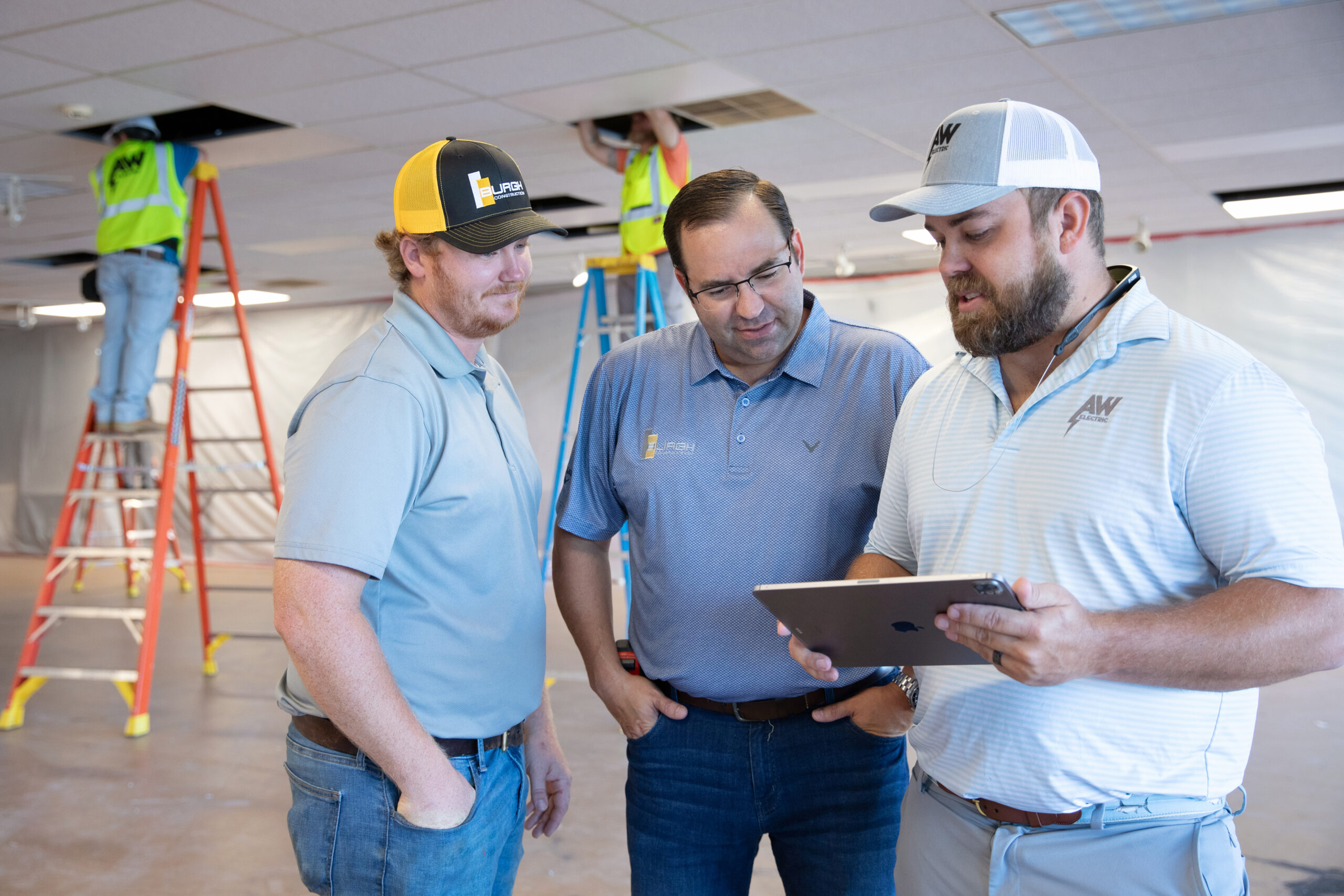
Your electrician starts by evaluating your property and power needs. They measure your building’s electrical load to determine the size of the generator you need. They also identify the best location for the unit, considering noise levels, fuel access, and local zoning requirements.
This assessment includes checking your existing electrical panel and determining if upgrades are needed. Many commercial buildings require panel modifications to support generator integration.
Equipment and Material Selection
Based on your power requirements, your electrician recommends the right generator type and size. Commercial generators run on natural gas, propane, or diesel. Your choice depends on fuel availability, runtime needs, and budget.
Installation also includes a transfer switch, which safely switches power between the utility and the generator. The electrician specifies whether you need an automatic or manual switch based on your business needs.
Permits and Code Compliance
Your electrician handles all permit applications required by Hill and New Hampshire regulations. This includes electrical permits and potentially building permits if you need a concrete pad.
The installation must meet National Electrical Code standards and local requirements. Professional electricians know these codes and ensure compliance to avoid failed inspections.
What the Electrician Handles During Installation
Electricians manage the technical work that makes your generator function properly and safely. This work requires specific training and licensing.
Electrical Connections and Wiring
Your electrician runs new wiring from your electrical panel to the generator location. This includes heavy-gauge wire rated for the generator’s output. They install conduit to protect the wiring and ensure it meets code requirements.
The electrician connects the generator to your building’s electrical system through the transfer switch. They carefully label all circuits and ensure proper grounding to prevent electrical hazards.
Transfer Switch Installation
The transfer switch is the brain of your backup power system. Your electrician mounts it near your main electrical panel and connects it to both the utility service and generator.
They program the switch to detect power loss and signal the generator to start. For automatic systems, this happens in seconds. The electrician tests the switch multiple times to ensure reliable operation.
Fuel System Setup
If your generator runs on natural gas, the electrician coordinates with gas professionals to connect the fuel line. For propane or diesel systems, they ensure proper tank placement and fuel line installation.
The electrician tests all fuel connections for leaks and verifies that the pressure is correct. Safety is critical here because fuel leaks can cause fires or explosions.
Additional Services That Complete Your Installation
Beyond basic installation, electricians provide services that protect your investment and ensure long-term reliability.
System Testing and Commissioning
After installation, your electrician runs comprehensive tests. They simulate power outages to verify that the generator starts properly and powers your selected circuits. They check voltage output, frequency, and transfer times.
This testing phase identifies any issues before you actually need the generator. The electrician makes adjustments to ensure smooth operation during real emergencies.
Training and Documentation
Your electrician shows you how to operate the generator manually if needed. They explain the control panel, shutdown procedures, and basic troubleshooting.
You receive documentation including wiring diagrams, warranty information, and maintenance schedules. This paperwork is important for future service and inspections.
Final Inspection Coordination
The electrician schedules the required inspection with local authorities. They walk the inspector through the installation and address any concerns. Once approved, they provide you with the inspection certificate.
This final step is required before you can legally operate your generator system. Professional electricians know what inspectors look for and ensure everything passes the first time.
Why Professional Installation Matters
Some business owners consider cutting costs with unlicensed installers. This decision often leads to bigger expenses later.
Licensed electricians carry insurance that protects you from liability if something goes wrong. They understand local codes and install systems that pass inspection. DIY or unlicensed work can void your generator warranty and create safety hazards.
Professional installation also ensures your generator delivers the power you need when you need it. Improper sizing or connections can leave portions of your business without backup power.
Frequently Asked Questions
How long does commercial generator installation take?
Most installations take one to three days. Simple installations with existing fuel sources and adequate space finish faster. Complex projects requiring concrete pads, extensive wiring, or panel upgrades take longer. Your electrician provides a specific timeline after the site assessment.
Do I need permits for commercial generator installation in Hill, New Hampshire?
Yes, you need electrical permits and potentially other approvals depending on generator size and fuel type. Your electrician handles the permit application process. Operating without proper permits can result in fines and insurance complications.
What size generator does my business need?
Generator size depends on your electrical load and which systems you want to power during outages. A licensed electrician calculates your needs by reviewing your electrical panel and understanding your critical equipment. Most small businesses need 15 to 50 kilowatts of power, while larger operations may require 100 kilowatts or more.
Can I install a commercial generator myself?
No, commercial generator installation requires a licensed electrician in New Hampshire. The work involves complex electrical connections that pose safety risks if done incorrectly. DIY installation also voids the manufacturer’s warranty and violates local building codes.
How often does a commercial generator need maintenance?
Commercial generators need commercial electrical system maintenance every six months or after 200 hours of operation, whichever comes first. Regular maintenance includes oil changes, filter replacements, and system testing. Your electrician can provide ongoing maintenance or connect you with qualified service providers.
Keep Your Hill Business Running with Professional Generator Installation
A commercial generator protects your business from costly downtime and lost revenue. But the installation requires expertise, proper equipment, and knowledge of electrical codes. From initial assessment through final testing, a licensed electrician ensures your system works safely and reliably.
A W Electric provides complete commercial generator installation services for businesses throughout Hill, New Hampshire. Our licensed electricians handle every step, from permits to final inspection. We size your system correctly, install it to code, and test it thoroughly so you have confidence when the power goes out. Contact A W Electric today to get a quote for your backup power needs and schedule your site assessment.