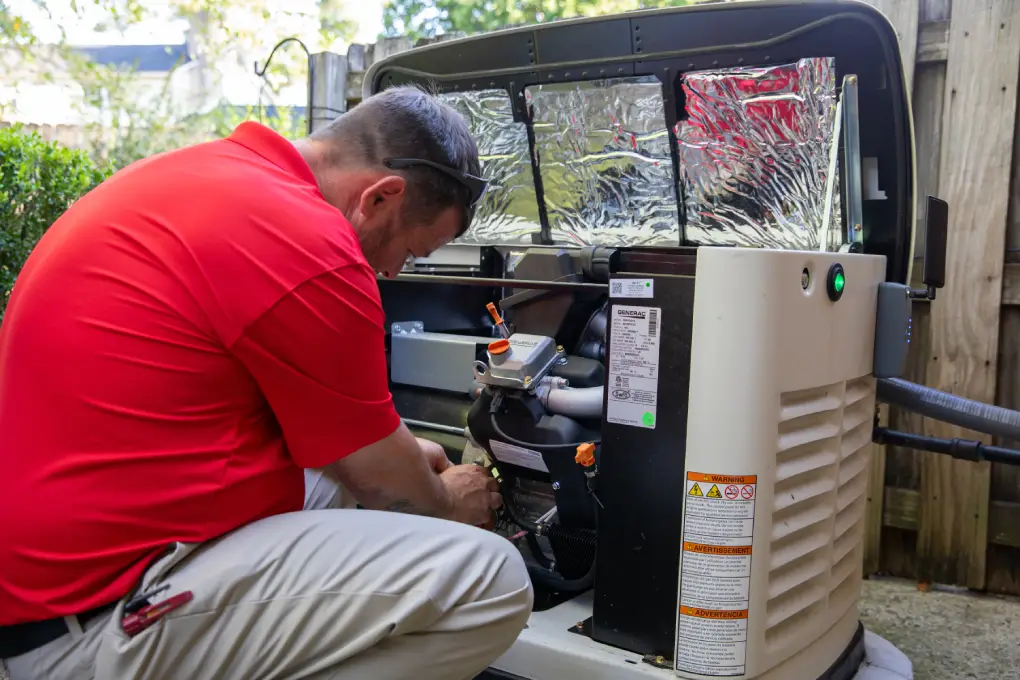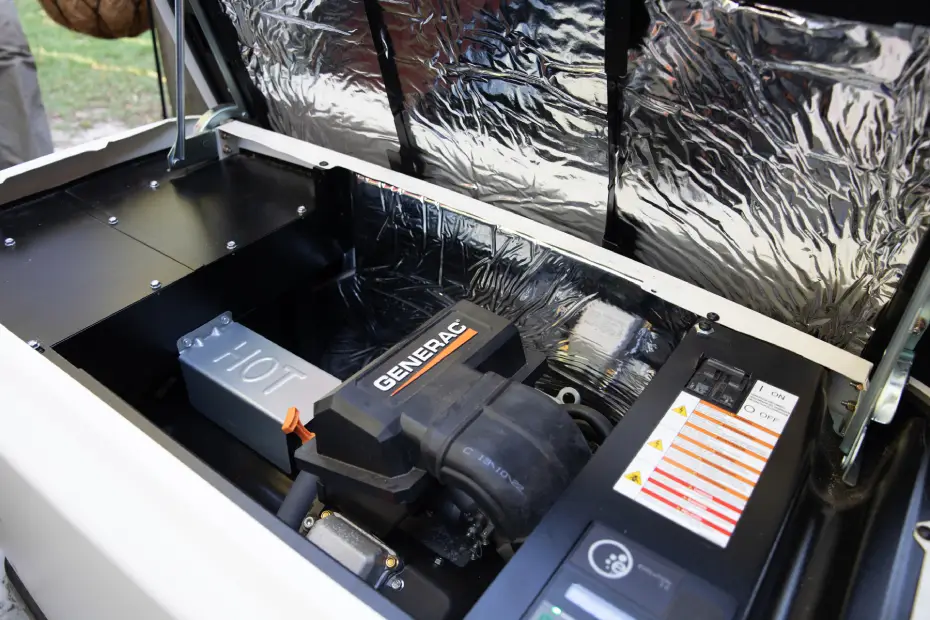
Power outages are not just an inconvenience for businesses. They cost money, disrupt customers, and can damage equipment. Augusta sits in a region where summer storms, heat-driven grid stress, and hurricane remnants knock out power more than many business owners expect. That is why more local companies are choosing to install a commercial backup generator before the next outage hits, not after.
Key Takeaways
- Power outages cost U.S. businesses an estimated $150 billion per year in lost productivity and damaged equipment.
- Augusta and the CSRA region experience regular storm-related outages, especially from May through October.
- A commercial backup generator automatically kicks on when utility power fails, with no manual intervention needed.
- Generators protect refrigerated inventory, active systems, security equipment, and customer-facing operations.
- Proper installation by a licensed electrician is required for safe and code-compliant operation.
- AW Electric handles commercial generator installation across Augusta and surrounding areas.
What Is Driving Demand for Commercial Backup Generators in Augusta
Augusta businesses have faced more pressure on their power supply in recent years. The summer heat pushes the electrical grid hard. Severe thunderstorms roll through the CSRA from spring through fall. And with more businesses relying on digital systems, point-of-sale terminals, and climate-controlled storage, a single outage can cause real financial damage fast.
According to the Department of Energy, power outages cost U.S. businesses around $150 billion each year. For a small or mid-size business, even a few hours without power can mean lost sales, spoiled inventory, or a missed deadline. A commercial backup generator removes that risk entirely.
How Augusta’s Climate Creates Outage Risk
Augusta averages around 50 thunderstorm days per year. Summer temperatures regularly exceed 95 degrees, which puts strain on transmission lines and substations. When the grid goes down during peak hours, businesses in commercial districts can lose power for hours at a time. Planning for that reality is not pessimistic; it is smart.
Companies that have already installed commercial generator systems are not scrambling during the next storm. Their lights stay on, their systems keep running, and their customers never know there was a problem.
How a Commercial Backup Generator Works
A commercial backup generator connects to your building through an automatic transfer switch. When the utility power goes out, the transfer switch detects the failure in seconds and signals the generator to start. The generator takes over the load and your business keeps running. When utility power comes back, the system transfers back automatically.
You do not need to be on-site for any of this to happen. The system manages itself. This matters a lot for businesses that operate outside normal hours or that rely on overnight systems like security cameras, refrigeration, or server equipment.
Natural Gas vs. Diesel Generators for Commercial Use
Most commercial standby generators run on natural gas or liquid propane. These fuels connect directly to your existing supply line, so you never have to store large amounts of fuel on-site. Diesel generators are also common for larger facilities or locations without gas access. Your electrician will help you choose the right fuel type and generator size based on your building’s electrical load.
AW Electric works with business owners across Augusta to assess their power needs and recommend the right unit. Sizing a generator correctly is critical. Too small and it cannot carry the load; too large and you overpay for capacity you do not need. Understanding commercial power requirements is part of getting that sizing right.
What Augusta Businesses Have to Lose Without Backup Power
Every business has something that stops working when the power goes out. Restaurants lose refrigerated food. Medical offices lose access to electronic records and equipment. Retail stores cannot run card transactions. Offices lose productivity and access to networked systems. The longer the outage, the bigger the loss.
There is also a liability angle. Some businesses have obligations to maintain continuous operations, especially in healthcare, data management, or food service. A backup generator is not just a convenience in those cases; it is a requirement.
Protecting Equipment and Reducing Downtime
Sudden power loss can damage sensitive electronics. When power cuts out mid-operation and then surges back, it can fry circuit boards, corrupt data, and shorten the life of HVAC systems and motors. A generator with proper transfer switch installation prevents that kind of surge entirely.
AW Electric also offers commercial electrical maintenance to keep your generator and electrical system ready year-round. A generator that has not been tested or serviced regularly may not start when you actually need it. Routine maintenance prevents that problem.
Frequently Asked Questions
What size commercial backup generator does my business need?
The right size depends on your building’s total electrical load. A licensed electrician will calculate how much wattage your critical systems require and recommend a generator that can handle that load. Most commercial buildings need units ranging from 20kW to over 150kW depending on size and use.
How quickly does a commercial backup generator turn on during an outage?
Most standby generators respond within 10 to 30 seconds of a power failure. The automatic transfer switch detects the outage and triggers the generator to start. For most businesses, this brief delay has no meaningful impact on operations.
Do I need a permit to install a commercial backup generator in Augusta?
Yes. Commercial generator installation in Georgia requires permits and must meet local electrical codes. A licensed electrician handles the permit process and ensures the installation passes inspection. AW Electric manages this process for every commercial installation.
Can a commercial generator power my entire building?
It depends on the generator size and how your system is configured. Some businesses install a generator sized to power only critical loads, like refrigeration, security, and key equipment. Others install a unit large enough to run the entire building. Your electrician will help you decide what makes sense for your operation.
How often does a commercial backup generator need maintenance?
Most manufacturers recommend service every six to twelve months, plus regular automatic test cycles. Maintenance includes oil and filter changes, battery checks, and load testing. Keeping up with service is the best way to make sure the generator performs when you need it. You can learn more about maintaining your commercial electrical system to keep everything in order.
Get Your Augusta Business Ready Before the Next Outage
Waiting until after an outage causes damage is the most expensive way to learn this lesson. A commercial backup generator gives your business reliable protection against unpredictable power loss. Augusta’s storm season does not take breaks, and neither should your power supply.
AW Electric has been serving Augusta-area businesses since April 2020, handling commercial electrical work from installation to maintenance. Whether you need help choosing a generator or want a full commercial electrical service for your property, the team is ready to help. Visit AW Electric to get in touch and find out what the right backup power solution looks like for your business.