Key Takeaways:
- A Generac generator doesn’t store electricity; it creates it by converting fuel into power through an engine and alternator system.
- It detects power outages automatically and starts generating electricity instantly without manual action.
- The generator adjusts power output to match energy demand, conserving fuel while built-in safety systems protect against damage.
- Quality installation and regular maintenance ensure reliable, efficient performance and clean power generation.
When power outages strike Evans, GA, whether from strong summer storms or sudden grid failures, a Generac generator ensures your home never skips a beat.
But what actually powers it? How does this machine turn fuel into reliable electricity for your home’s lights, appliances, and HVAC system?
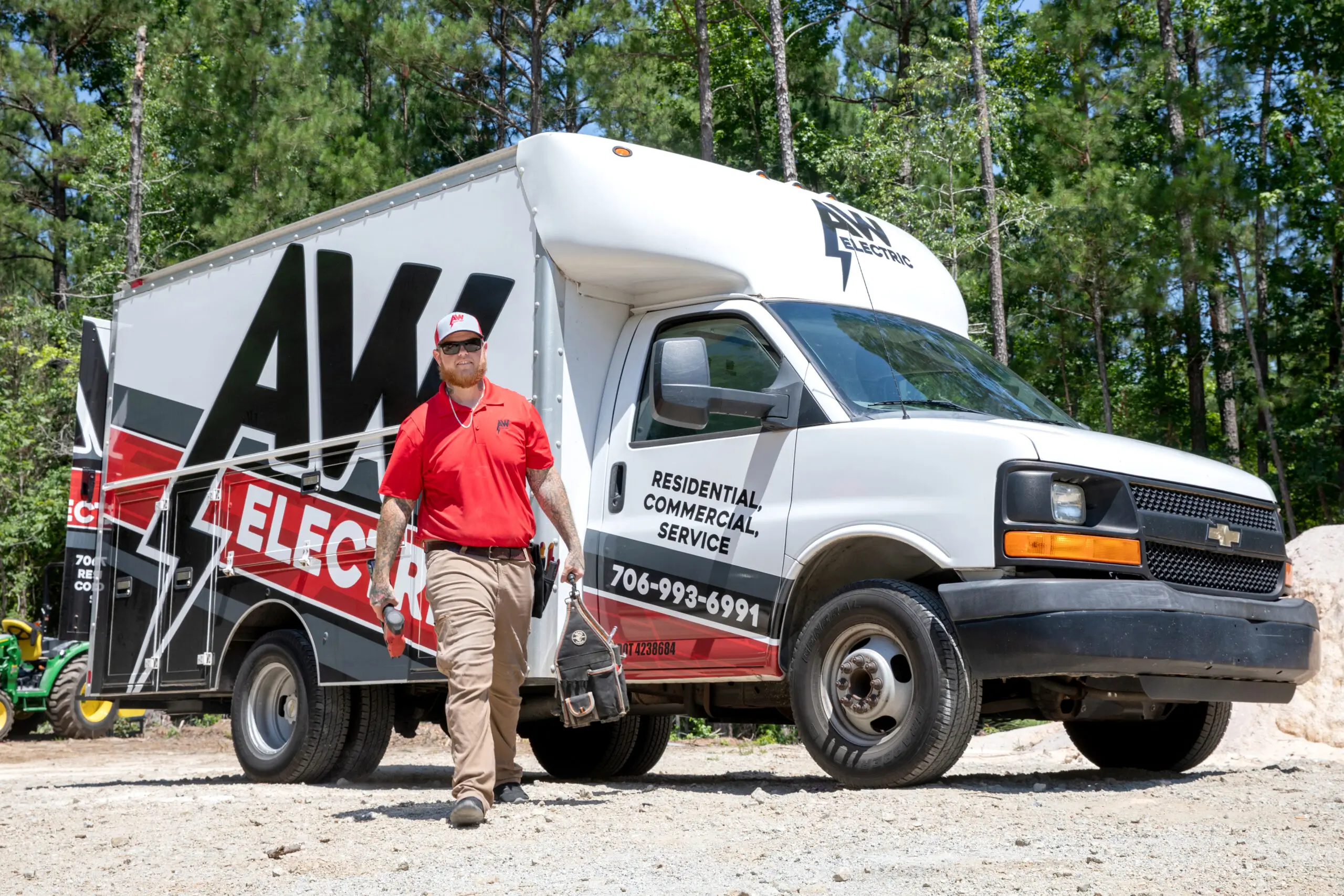
At AW Electric, we’ve installed and serviced Generac systems across the Evans and Augusta area for years. In this guide, we’ll explain how Generac generators are powered, what happens inside the unit during an outage, and how to keep them running efficiently for years to come.
How a Generac Generator Creates Power
At its core, a Generac generator works like a small power plant sitting right outside your home.
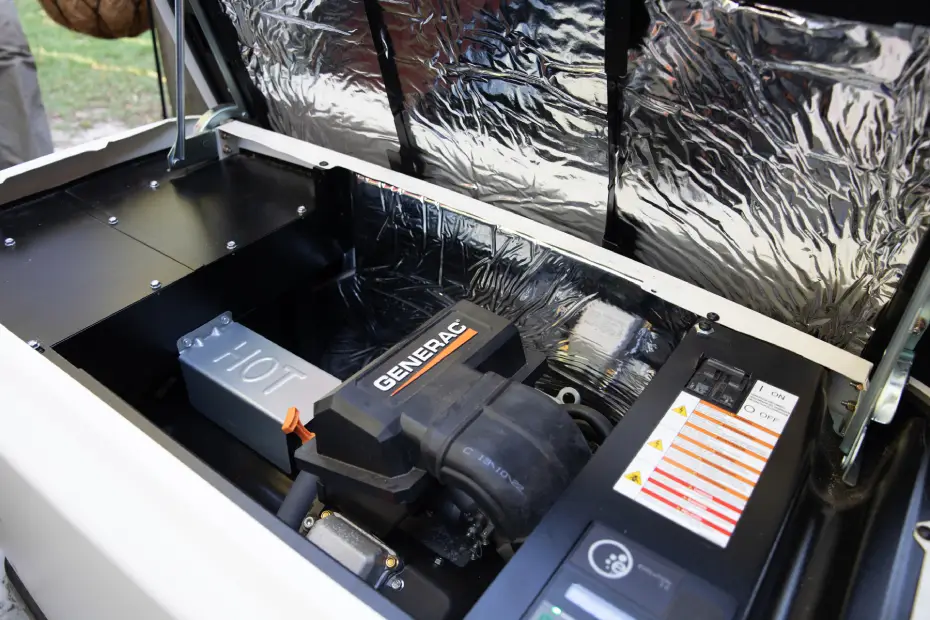
When your utility power goes out, the generator uses fuel, usually natural gas or propane, to start its internal combustion engine. That engine spins an alternator, converting mechanical energy into electrical energy.
This electricity flows through an automatic transfer switch (ATS), which safely reroutes power from the grid to your home’s electrical panel.
The process happens in seconds, ensuring your lights and appliances stay on seamlessly, often before you even realize an outage occurred.
The Role of Fuel in Power Generation
Your generator’s fuel acts as its lifeline. It determines how the engine starts, how efficiently it runs, and how much electricity it produces.
While natural gas, propane, and diesel can all be used, the fuel’s job is always the same: to feed the combustion process that turns motion into energy.
- Natural gas: Burns steadily, ideal for city homes with utility connections.
- Propane: Stored in tanks, ideal for rural homes or areas without gas service.
- Diesel: High-power fuel, often used for commercial or large residential properties.
Regardless of fuel type, the combustion process is clean and controlled, designed to meet modern emission and noise standards for residential neighborhoods.
Step-by-Step: What Happens During an Outage
When the grid goes down, your generator doesn’t need you to do anything. Here’s how the sequence unfolds automatically:
- Detection: The automatic transfer switch senses that your home has lost utility power.
- Activation: The ATS signals the generator to start.
- Ignition: The generator’s engine begins burning fuel (natural gas or propane).
- Power Production: The alternator spins, generating electricity.
- Transfer: The ATS reroutes that power into your home’s electrical panel.
- Restoration: Once grid power returns, the ATS safely shuts off the generator and reconnects your home to the grid.
The transition is smooth, seamless, and safe, thanks to the precision engineering behind Generac’s automatic transfer technology.
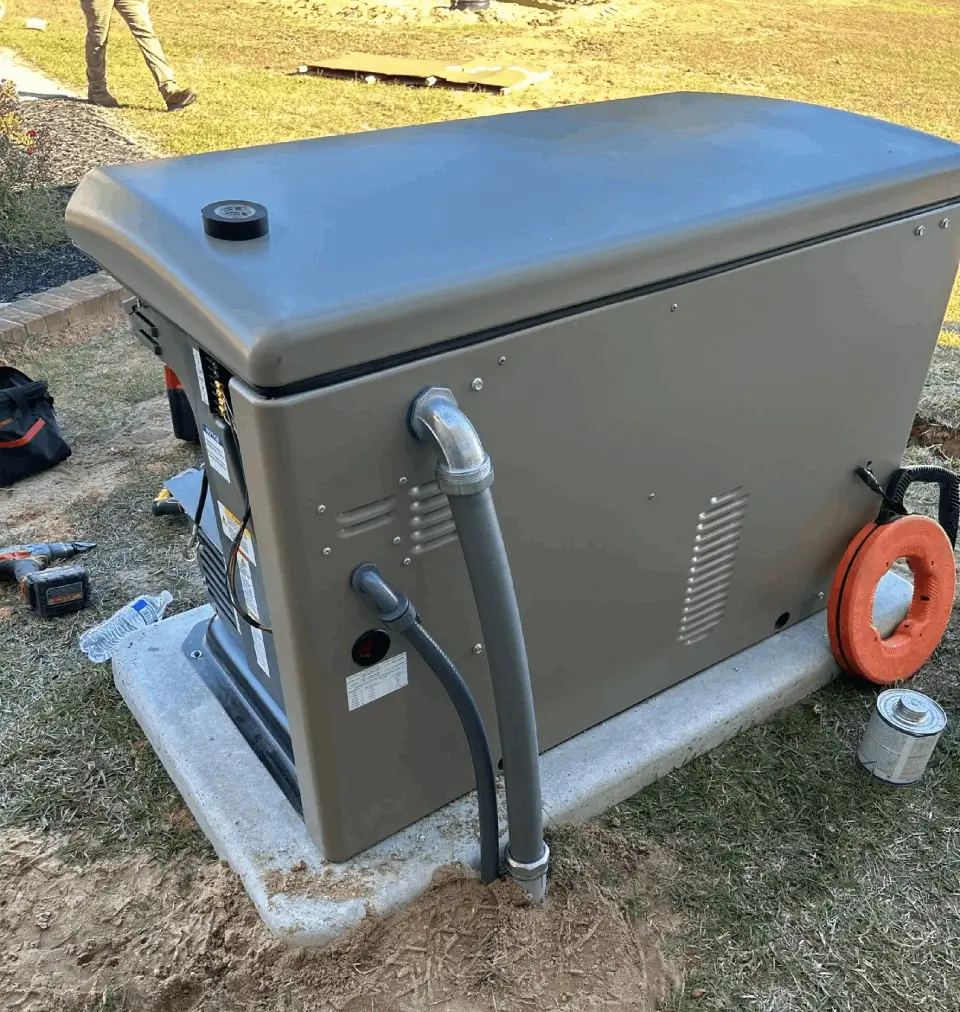
Why Installation Quality Matters
Before installing a backup generator, check for signs your home needs an electrical panel upgrade to avoid overloads during high-demand outages.
At AW Electric, our certified electricians ensure:
- The fuel line is appropriately sized and secured.
- The transfer switch integrates safely with your electrical panel.
- Your generator’s capacity matches your household’s power demand.
A poorly installed generator can lead to back-feeding, fuel leaks, or premature engine wear. Proper setup guarantees long-term reliability and safety during every storm.
Inside the Engine: How Fuel Becomes Electricity
Here’s what’s happening under the hood:
- Air and fuel mix enter the combustion chamber.
- A spark ignites the mix, creating controlled explosions that drive the pistons.
- The pistons turn the crankshaft, which spins the alternator.
- Inside the alternator, coils and magnets create an electromagnetic field, generating electricity.
- That power is then stabilized and fed into your home’s circuits.
It’s mechanical engineering in motion, highly efficient, low-maintenance, and reliable for years with proper care.
Efficiency and Fuel Consumption in Evans, GA
Evans homeowners often ask: Does using a generator waste fuel?
Not when installed and appropriately sized. A correctly powered generator adjusts fuel consumption based on electrical load.
For example:
- Running just your essentials (lights, fridge, and HVAC) uses less fuel.
- Running all appliances (like ovens, washers, and AC units) increases fuel consumption.
Because the weather in Evans can be unpredictable, with summer humidity and winter freezes, efficiency depends on how balanced your home’s load is.
Safety Systems That Protect Your Home
Generac generators include multiple safety features that regulate how power is produced and transferred:
- Automatic voltage regulation prevents electrical surges.
- Oil pressure sensors shut down the unit if the lubrication drops too low.
- Temperature controls prevent overheating during extended use.
- Weatherproof housing shields the unit from debris, rain, and heat.
In Evans, GA, where humidity and storms are frequent, these protections are vital. Professional maintenance ensures all sensors and controls are working correctly before storm season arrives.
Maintenance Tips to Keep Your Power Reliable
Even with automatic systems, your generator needs consistent care to perform at its best.
Here are a few steps every homeowner can follow:
- Run monthly test cycles to keep the battery charged and components lubricated.
- Inspect the fuel connection for leaks or corrosion, especially before storm season.
- Replace air and oil filters as recommended by Generac or your installer.
- Keep the area clear of plants, mulch, or debris to maintain ventilation.
- Schedule annual professional service with AW Electric to test output, safety switches, and performance.
Why Evans, GA Homeowners Trust Local Expertise
Choosing a local installer means faster support, better compliance, and service built around local needs.
Evans homeowners often experience:
- Storm-related blackouts in spring and summer.
- Utility disruptions during heat waves.
- Occasional rural gas supply interruptions.
That’s why having a locally powered generator system and a responsive service provider like AW Electric ensures long-term dependability.
Power Up with Confidence
A Generac generator is powered by fuel and precision engineering, but its reliability comes from expert installation and regular maintenance.
When correctly set up, your generator automatically transforms fuel into steady, dependable electricity, keeping your Evans home comfortable and secure through every outage.
Your Trusted Generator Specialists in Evans, GA
When you’re ready to install, service, or upgrade your backup power system, trust the experts at AW Electric.
We specialize in Generac generator installation, electrical upgrades, and home power solutions that keep your property safe year-round.
Call AW Electric today or request a free consultation to make sure your generator is installed correctly, powered safely, and ready for whatever the Georgia weather brings.
FAQs
How does a Generac generator know when to turn on?
The automatic transfer switch detects a loss of utility power and signals the generator to start automatically.
Does a Generac generator use electricity to start?
It uses a small battery to ignite the engine, but the main power comes from fuel combustion.
Can a Generac generator power my whole house?
Yes. Whole-house models can supply full coverage, while smaller units can power selected circuits like HVAC, lights, and appliances.
Is natural gas or propane better for Evans’ homes?
Natural gas is ideal for neighborhoods with utility connections. Propane works best for rural areas where gas lines aren’t available.
How often should my generator be serviced?
At least once a year. Schedule professional maintenance before storm season to ensure top performance.